Private-label products from China for UAE businesses need a clear distinction between the product itself and the brand presentation around it. Applying a logo to an existing item, changing its construction and developing a new product are different scopes of work.
Own-brand product procurement is easier to assess when the brief identifies which parts already exist and which parts need development. That helps the factory explain minimums, sample requirements, tooling and proposed timing before you commit.
Choose the level of customisation
An existing factory product may offer options for colour, labels or packaging. A changed shape or function may require new development. Ask what the supplier means by a custom product and which element each quoted cost covers.
When reviewing private-label manufacturers in China, connect factory capability with the product you need. A catalogue of branded examples is not enough to establish whether the proposed factory can make your version or provide the required product information.
Own-brand launch checklist
| Approval area | What to confirm |
|---|---|
| Product | Intended use, materials, dimensions and variants |
| Brand ownership | Artwork and designs you are authorised to use |
| Customisation | Existing option or new development |
| Samples | What each sample demonstrates and what remains open |
| Packaging | Structure, protection, artwork and pack contents |
| Minimums | Quantity basis by model, colour and branding method |
| Product evidence | Requirements for the item and intended market |
| Repeat order | Reference codes and approved revision records |
Treat custom packaging as part of the product plan
Packaging changes can affect dimensions, printing, assembly and shipping protection. Give the supplier the intended pack contents and an approved artwork version. If several suppliers make the product and packaging, establish who will confirm that they fit together.
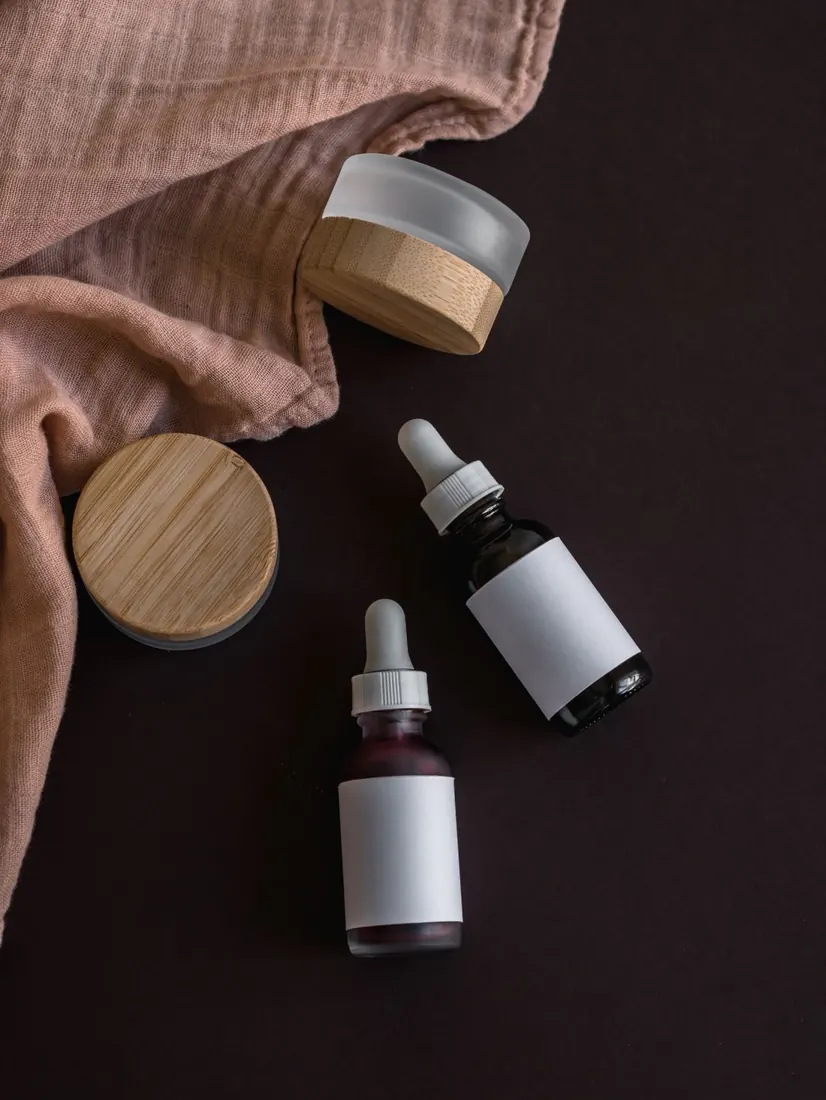
For example, a cosmetic bottle and a gift box can each look correct separately but fail as a complete retail pack. Review the assembled presentation and protection before treating both elements as approved.
Keep the launch record usable for the next order
Maintain the final product specification, artwork, sample references and quantity breakdown. Record any materials or components that may need reconfirmation. A repeat order should refer to that record, with current availability, pricing and timing checked again.
TradeX coordinates own-brand enquiries through a UAE contact and its team in China. The service can connect supplier options, samples, production follow-up, agreed checks and delivery. Third-party branded goods and unauthorised branding are outside the stated procurement scope.
Questions buyers ask
Does private label always require a new mould?
No. It depends on whether you use an existing product or change features that require tooling or development.
Can packaging and product samples be approved separately?
They can, but their final fit, assembly and presentation should also be confirmed where those elements depend on each other.